I am a writer who has been most at home in the other-worldliness of poetry… but now I’m starting to see some of the delights of writing fiction. More news on that coming…
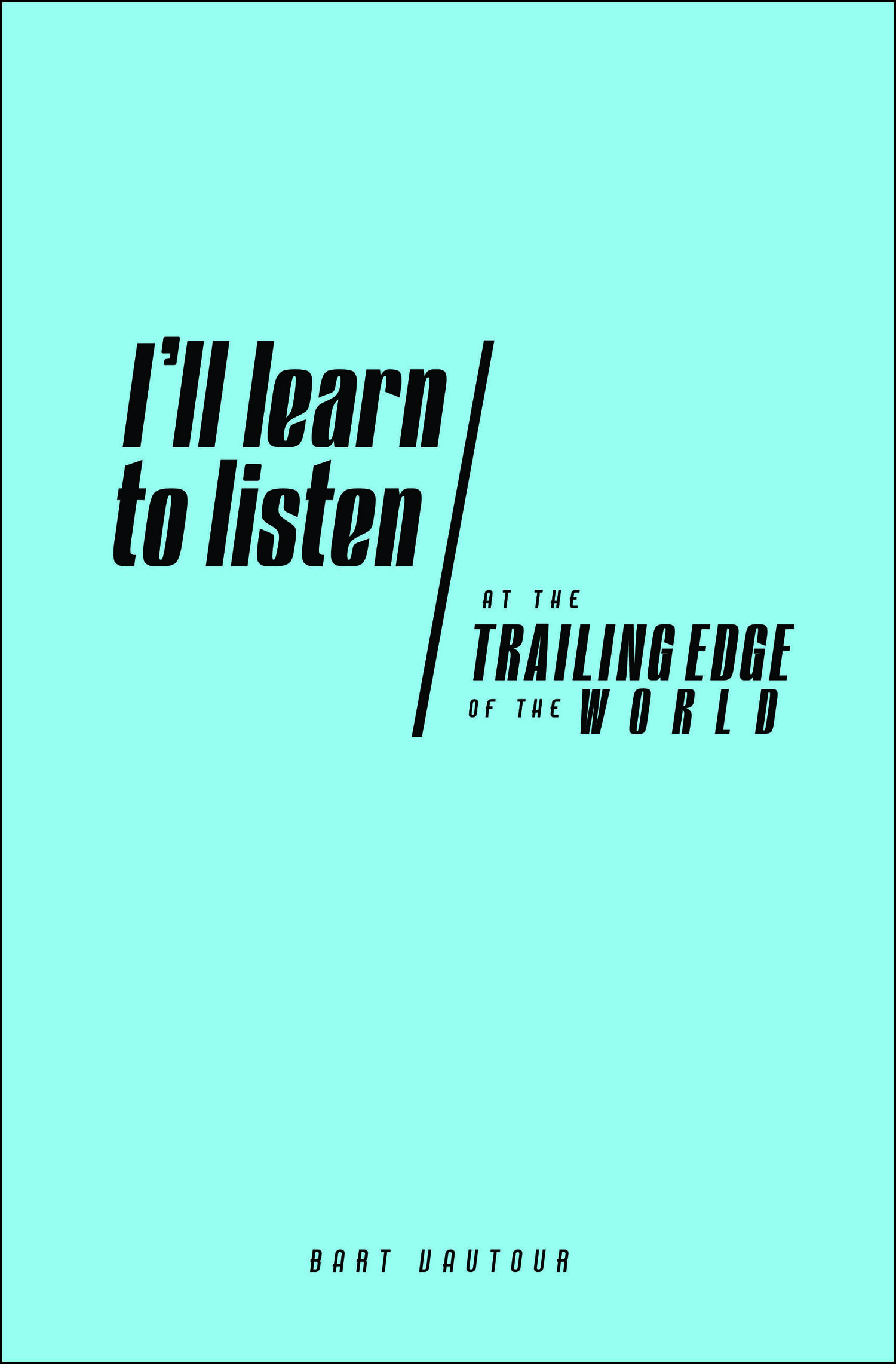
The good folks at Gap Riot published a chapbook a while back and I’m still very excited to be part of their publishing program. It’s working out some things around radio, poetics, and the patent office: I’ll Learn to Listen / At the Trailing Edge of the World. Here is what the publishers had to said about it: “This chapbook by our season seven token dude, Halifax-based poet, scholar, and all-around badass Bart Vautour, is—as his epigraph insists—a conversation between the poet and the patent office. Vautour’s poetry here intervenes in thoughtful, funny, and innovative ways into the discourses of intellectual property, political responsibility, and how we take “credit” for what is “ours” in experimental poetry. Two parts vispo, one part instruction manual, this cheeky little chapbook assembles to become an important tract on listening, writing, and bullshit detection in our current political and poetic climate. It’s so good, so thoughtful, so endearing, and so beautiful, it made us go okayfiiiiine, we’ll publish another guy.”
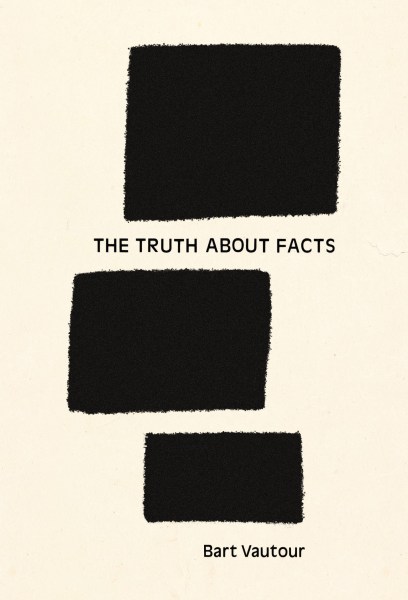
I have a poetry collection, The Truth About Facts, published with Invisible Books. The collection was on the long list for The Gerald Lampert Memorial Award, which recognizes a first book of poetry published by a Canadian. Here are some nice things that have been said about it:
“The Truth about Facts subtly and satisfyingly illuminates already existing connections in the seemingly far-flung.” —Canadian Literature
“What is a fact? What is a poem? While a reconciliation of the two might seem scholarly and ambitious, you’ll find nothing but friendly invitations in The Truth About Facts. On this meandering journey through an alphabet of facts, you’ll encounter dementors and characters born of anagrams on the more lighthearted routes, while darker paths lead to lying US Presidents and racist exclusionary labour policies. Capital-f Facts and aphoristic lyrics dot these pages, stepping stones of thought that Vautour hops deftly across. Each poem reveals a smart and thoughtful mind in motion, and there is as much playfulness here as there is necessary critique. If, like me, you find yourself randomly clicking through Wikipedia articles late into the night, you will love this delightful ramble through the facts.” —Sachiko Murakami, finalist for the Governor General’s Award for English-language poetry
“There is a solid tradition of poets taking up the alphabet itself as their point of attack. But I have a hard time thinking of anyone who has done so with as much gusto as Bart Vautour. Following the wisdom of his daughter, through whose eyes and ears the alphabet is encountered anew, Vautour tracks factual and fictional subjects out of anagrammatical accident, on through dictionaries, histories, lexicons, and archives—a Borgenian infinite library we spiral through, as “hard facts” encrust the edges of the world’s ‘fake news.’ I want to call Vautour ‘the Glen Gould of poetry,’ and The Truth About Facts his unmatched alphabetical variations. There’s no jiggery-pokery here—just the worshipping of strange alphabetic gods. I am a convert. I believe every word of it.” —Stephen Collis, author of Once in Blockadia and DECOMP
“ Fact: this ain’t your colonist schoolmarm’s New England Primer. In The Truth About Facts, Bart Vautour offers a poetic chrestomathy through which we may un/learn the language “of buoyancy in being.” Ebbs and flows of data, his/tories, and records mingle with inter/personal truths and untruths that gather their colours in an intimate orchestra of alphabetic movements. Yet here, nothing is ever sure, and that’s a fact: cold scientific exactness collides with the warmth of language’s poetic undoing to create a balmy fog of inconclusivity, empathy, and communitas. Under Vautour’s hand, the “y-axis breaks” … and in its space, the self, the other, the other’s others uprise. These are the facts and truths, and their implosions and undoings, that you want to sit with, savour, and, with childlike vigour, question everything you thought you already knew.“ —Kate Siklosi, co-founding editor of Gap Riot Press and author of po po poems and may day

